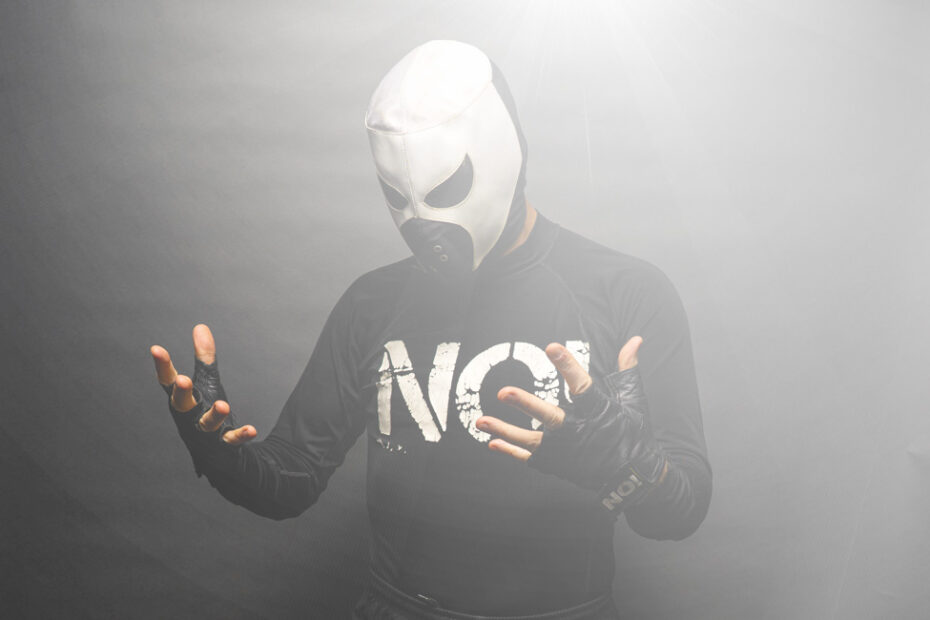
One of the challenges in hitting new towns and venues can be the venue’s lighting. Sure enough, I’ve seen some truly bad lighting situations. On some occasions, the only way to make it work is simply to just build your own lighting.
I prefer to at least see some photos of the venue, just to get a mental picture of how it looks. After that, you might have a good idea of what to expect. And, if the venue manager tells you, ‘we have all the light you need right here’ – you should still prepare for the worst.
I’ve bought some affordable halogen lights over the years, which we now keep at our SLAM! training hall. Some old favorites, like Ianiro redheads, can prove to be really handy. In terms of white balance, it’s not a neutral white light, but you can always use some gels.
Those old school halogens sure get hot, and they’re literal power hogs, but as long as you have some spare bulbs with you, those lights can serve you from here to eternity.
A favorable lighting situation for me is somewhat an even light, from corner to corner. I actually don’t mind positioning lights so that they create a bit of a dramatic feel, but everything depends on the venue and what the space allows you to do. Visually speaking, I’ve never been hesitant to create some shadows in there.
I also feel there are two different things you gotta worry about. For the audience sitting there, any type of light might look decent enough. But cameras can be a different story. We always shoot our shows on video.
Depending on camera sensors, this can bring added concerns. If there are some lower-quality light sources present, which tend to ‘flicker’, then that’s certainly not optimal for video.
Also, if you have dark corners in the ring, it’s possible that many cameras can’t manage that. A spotty light is pretty terrible to begin with, especially when someone’s skin is shiny from sweat or they’re wearing bright white attire. In one part of the ring, it might look great, but 2-3 feet in any other direction, you might have blown highlights ruining your picture.
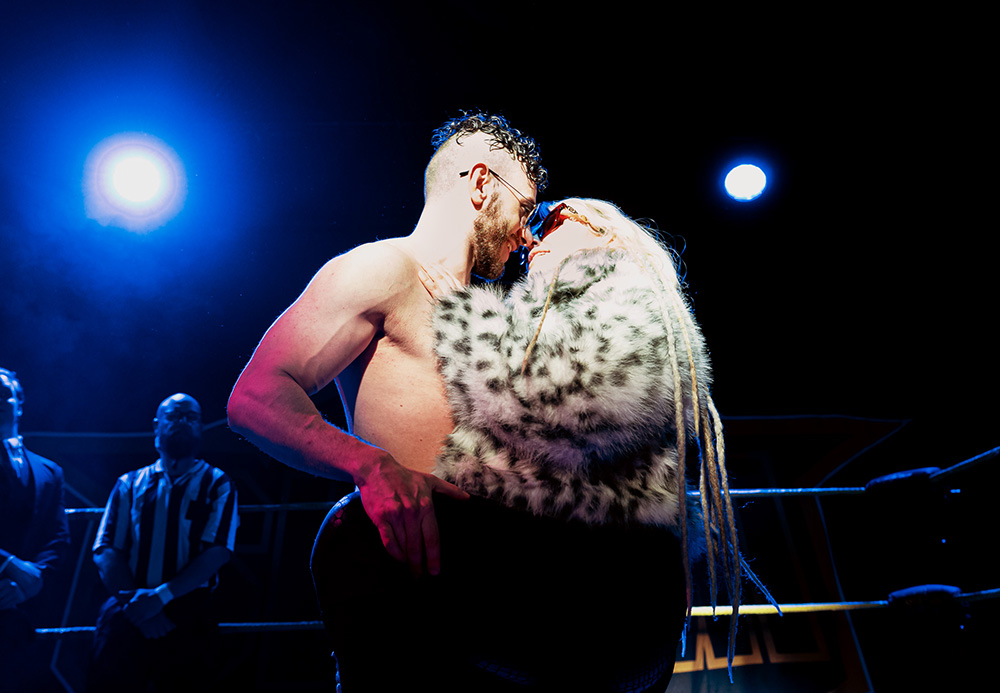
Often, an additional challenge is the time constraint. We arrive, see the venue, and then I might have a few hours to get everything done. Usually, there are plenty of things to do, even without worrying about lighting, so those few hours can run out in a blink.
Some club venues have been so tight that there have literally been no manageable spots to set up anything, so plenty of creative choices need to be made in a hurry. For such cases, I’ve got a big bag of grips, clamps, adapters, gaff tape, extension cables, zip ties… Anything you can use to rig lights in places where there aren’t even places. Also, keep a good quality multi-tool like Gerber or Leatherman on your belt.
In really tight spots, you might have to bounce some lights from a wall or a ceiling panel, etc. Often, it might not be an ideal circumstance, but you gotta come up with something.
At the same time, that type of space constraint gives you an extra concern about where to set up your hard cams.
You also have to be mindful of the lights’ positioning, so they’re not pointing at the attending audience. Imagine the nuisance of watching a match with a bright light shining straight in your eye.
A good lighting scenario is an integral part of how the show looks, but not all venues are created equal. Sometimes, you just have to do what you can.